Norway proposes letting municipalities ban or limit short-term rentals such as Airbnb
Norway's government has proposed that any municipality can ask the state for a local rule that bans or restricts short-term rentals in all or part of its area. Councils would also be able to demand rental data straight from platforms such as Airbnb.
At a glance
- What happened
- Norway's government proposed that municipalities can ask the state for a local rule banning or limiting short-term rentals, and can demand rental data from platforms.
- When
- Announced 25 November 2026. The full bill is not yet published; it goes out for consultation once finished, with a seven-week deadline for comments.
- Who it affects
- Hosts and managers letting homes through Airbnb and similar sites, especially in places such as Tromsø and Lofoten. Guests may find fewer homes.
- What to do
- Check your municipality's plans and watch for the consultation. Nothing changes yet: this is a proposal, not a law.
Norway's government wants to let municipalities ban or restrict short-term rentals such as Airbnb in all or part of their area, and to make platforms hand over rental data to councils. The plan, announced by the Ministry of Local Government and Regional Development on 25 November 2026, is a proposal only: the bill has not yet gone out for consultation, and parliament has not voted on anything.
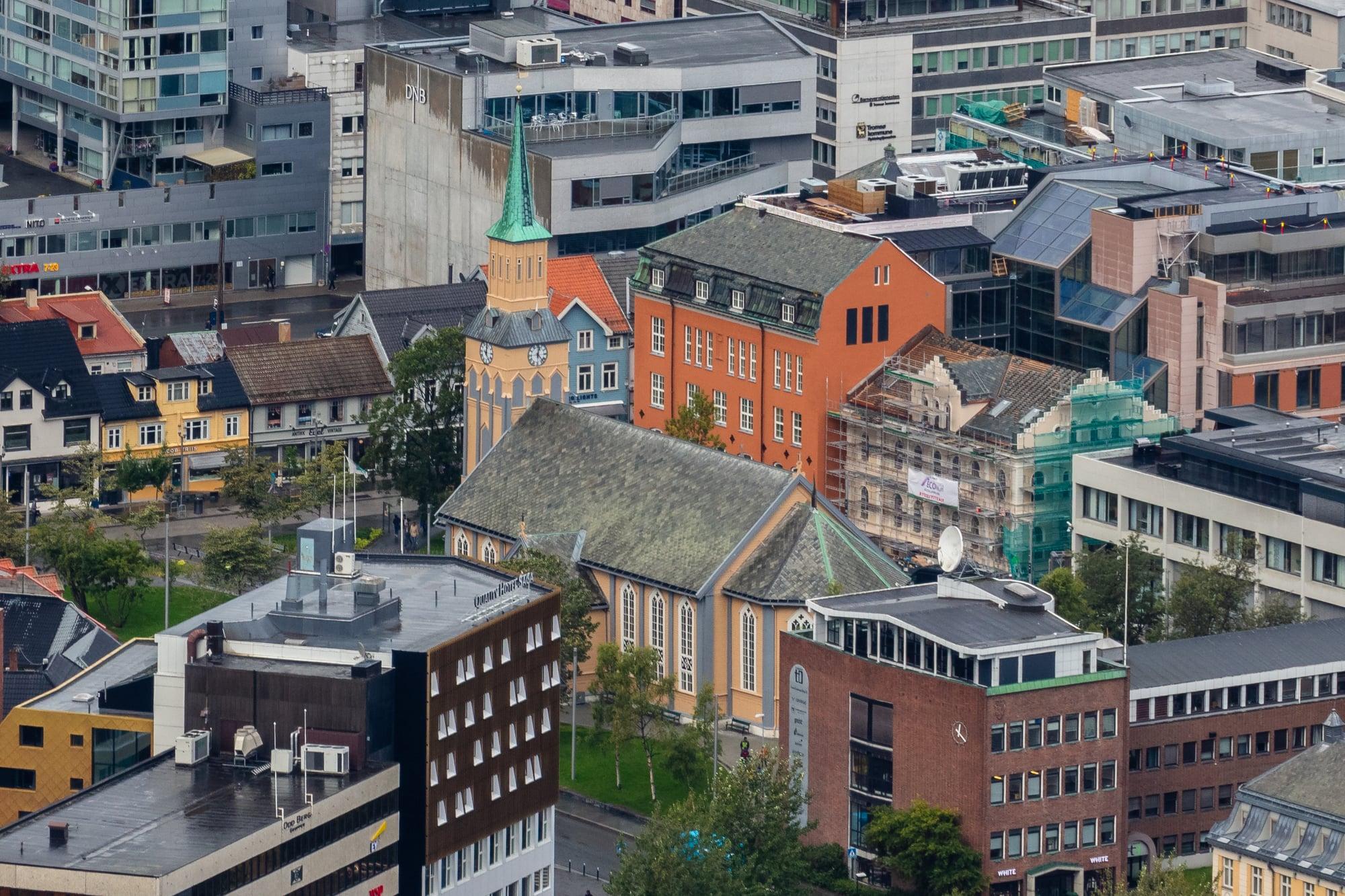
NRK reports that the proposal follows strong growth in Airbnb and other short-term letting, particularly in Tromsø and Lofoten, and a budget agreement between Labour, the Socialist Left and the left party Rødt. In Tromsø, AirDNA, the short-term rental analytics firm, counted more than 4,200 active Airbnb listings in February 2026. The city council has also been given NOK 2 million by the state.
How a local ban would work
Municipalities would not get a free hand. Under the model, a council sends a request to the state, and the state then issues a regulation (a *forskrift*) that bans or limits short-term rental in the whole municipality or only parts of it. The final say would sit with the state, as Minister Bjørnar Skjæran explained to E24. His message in the ministry's release was that a home should be a home, not a hotel.
The second tool may matter as much in practice. Councils would be able to demand details of rentals and the number of nights let straight from digital platforms. Norway's housing bank, Husbanken, has also been asked to study a national register for short-term rentals, according to NRK.
What it could mean for hosts and guests
For hosts, the effect depends on where the home is. A municipality with little tourist pressure may never ask for a ban, while one such as Tromsø could. Where a ban applies, income from letting through a platform could stop altogether.
For a sense of what is at stake, Nezt's estimates from Inside Airbnb data put a typical two-bedroom home in central Oslo at NOK 2,480 a night, or NOK 252,960 in a typical year, booked about 28% of nights, before fees, cleaning, bills and tax. Oslo is not named as a target in the proposal; the figures only show the scale of income a restriction could affect. Guests may see fewer homes in the busiest places if councils use the power.
The bill is still being finalised, and the ministry says it will go out for consultation as soon as it is ready, with comments due seven weeks later. A municipality could only request a local rule once parliament has passed a law.
Sources
- 1Foreslår nye verktøy for å regulere korttidsutleie (Ministry press release)regjeringen.no
- 2NRK: Regjeringen vil gi kommunene lov til å forby eller begrense korttidsutleienrk.no
- 3E24: Varsler Airbnb-grepe24.no
- 4NRK: Regjeringen varsler Airbnb-grepnrk.no
- 5Standby: Vil give norske kommuner lov til at forbyde Airbnbstandby.dk
Photo: Diego Delso / Wikimedia Commons · CC BY-SA 4.0